


Learning to use art and culture for change
Beginning as a volunteer
I started volunteering at Sinopale, the International Sinop Biennial, almost from its beginning, in 2006. At first it was simply a place where I could be around interesting people without the pressure of needing social skills. The soft socialising that comes through working together, taking part in events, or collaborating always felt safer and easier to me.
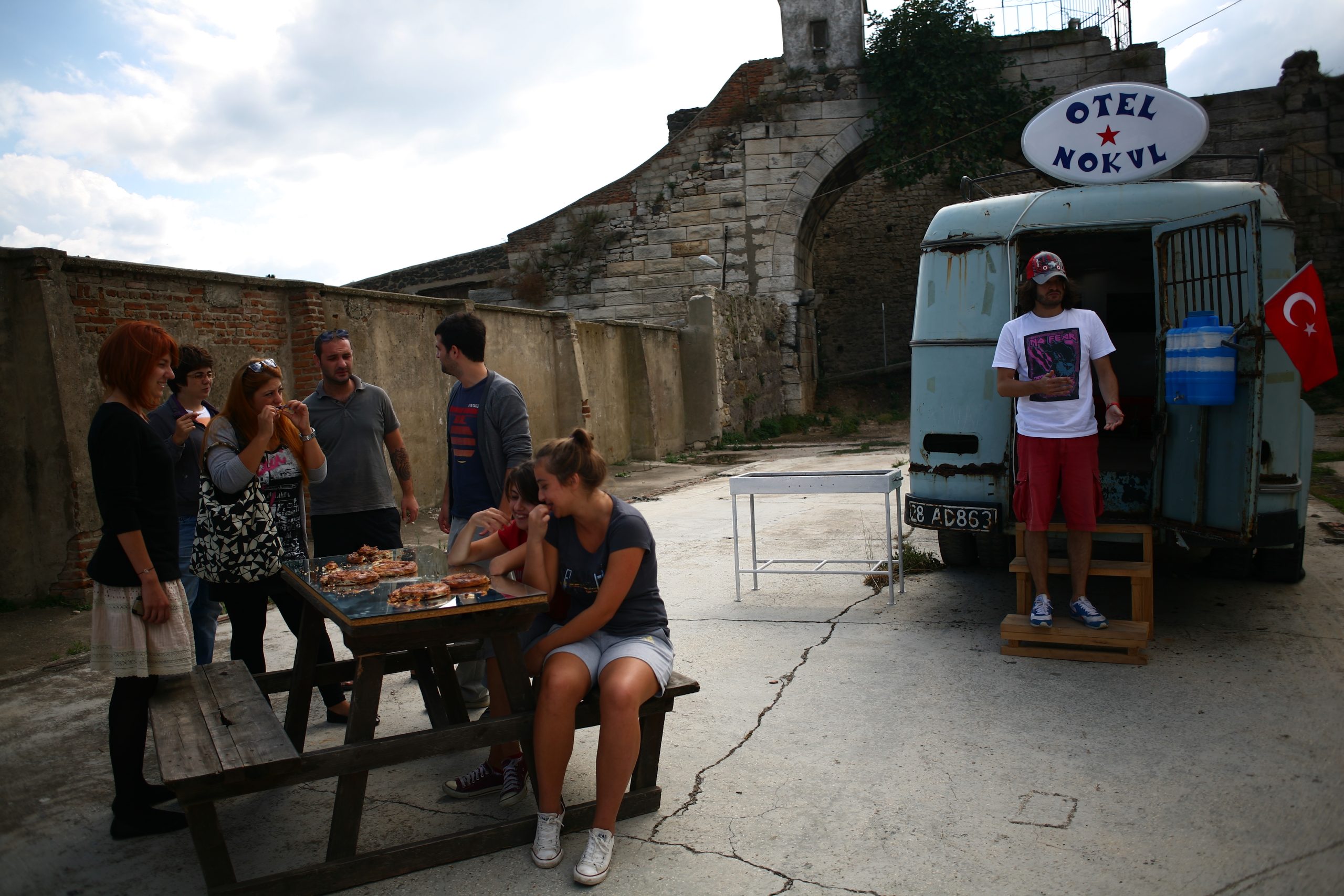
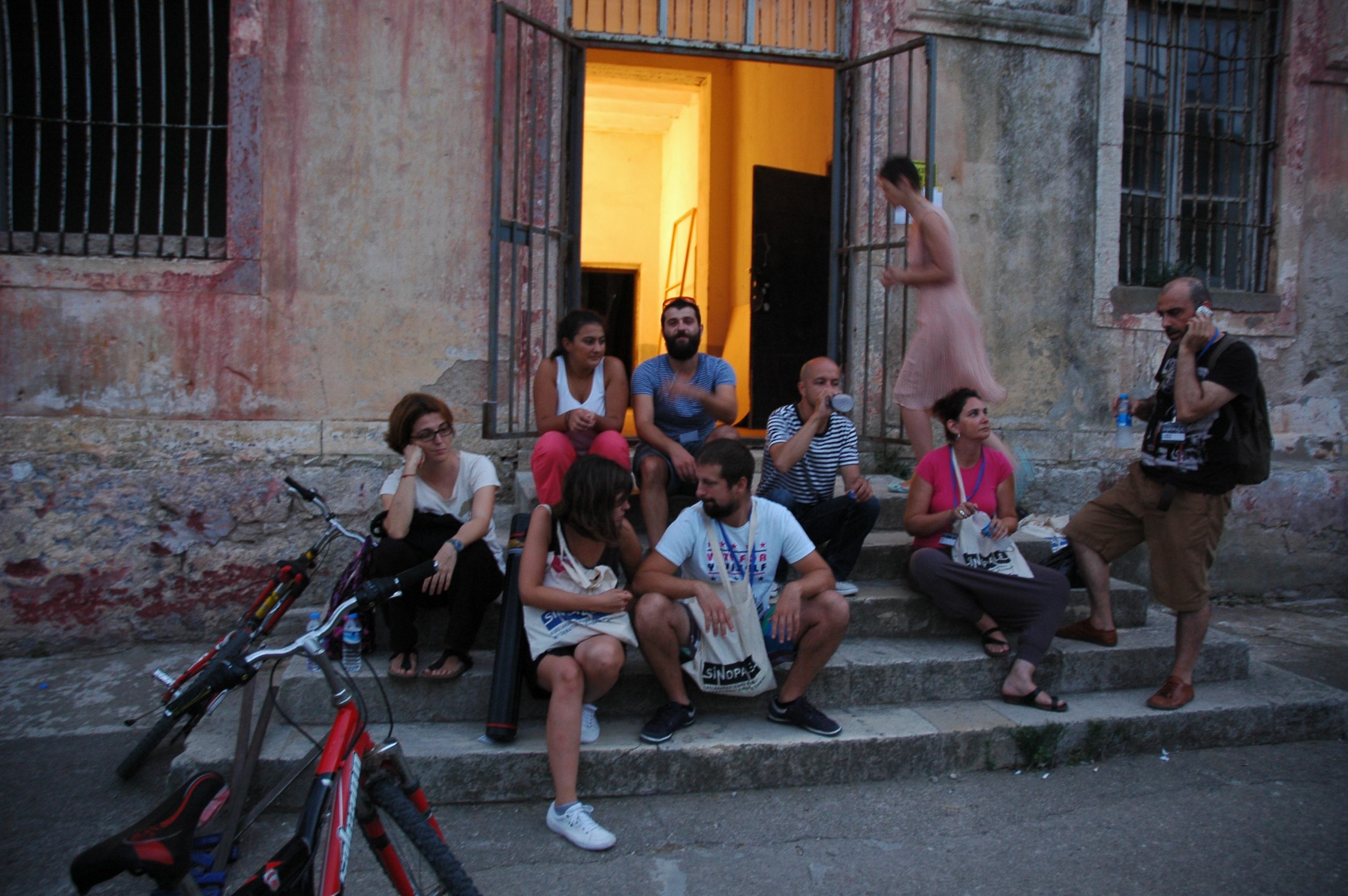
I helped with whatever I could: assisting artists, taking photos, documenting on video, cleaning, carrying, installing, joining the performances, or just being in the audience. And one of the best parts was the dinners and drinks afterwards, at the end of a long, creative, fun day: twenty of us sharing one very long table at a seaside restaurant in my hometown of Sinop. It was a completely different way of experiencing the city I had grown up in. I had already left Sinop for university by then, and only went back for the long summer holidays, and if there was a biennial that summer, I would always be part of it.
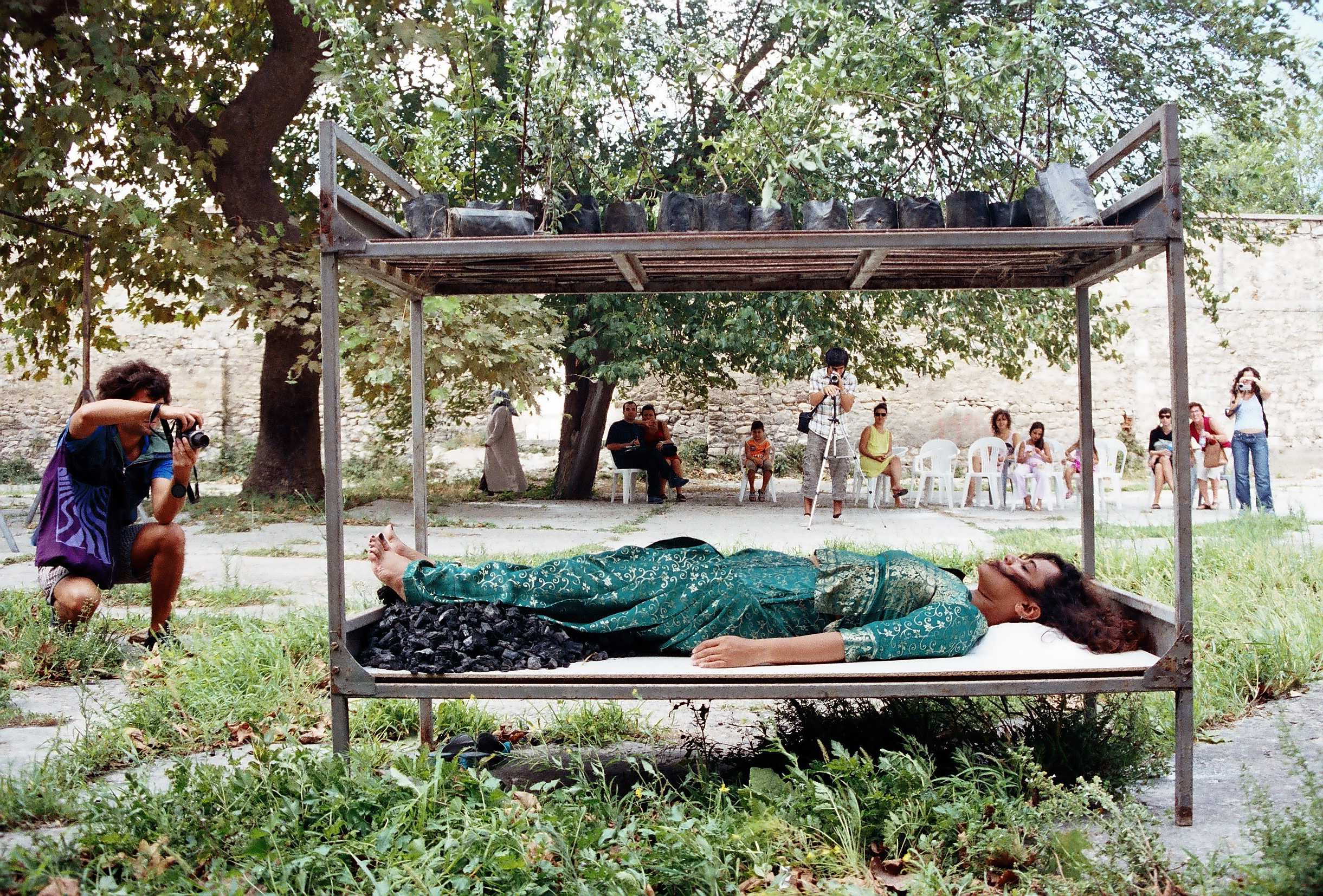
A summer away, and coming back (2011)
There was only one summer I missed, because I was working in production as an assistant director on TV commercials. Working on high-end, big-budget commercials was a dream for the first couple of years, being around celebrities, at the heart of a “glamorous” life. But something was off. We worked day and night, for weeks, with no weekends or days off, and no matter how hard I worked I never felt appreciated or valued. Part of that was that I wasn’t giving myself fully to it (probably I was aware that it wasn’t meaningful), but most of it was the dynamics of the industry itself. Deep down I knew I wouldn’t stay long. Two years later, for the next Sinopale, I stopped everything else and went back to Sinop for the biennial, and this time I tried to take on a little more responsibility.
Now I could compare the relationships and the working dynamics of the biennial with the world of commercial production, and I noticed how encouraging and supportive the Sinopale team, especially the founders T. Melih Gorgun, Mahir Namur and Elif Kuli were. They saw the good and the talent in the young volunteers, and for me they saw it even when I had no faith in myself. The way I learned from the artists, the curators and the founders was inspiring. Watching closely how they researched, how they created, how they communicated and how they connected the city to their work through their different practices gave me a new set of eyes for a place I had lived in for years.
Tarzan Kemal (2014)
That is what led me to my first art project, about a well-known Sinop figure, Tarzan Kemal, who I had been interested in for some years. Tarzan Kemal — Kemal Koca — was a man in love with nature and animals, who had refused civilisation and tried to live apart from it, like a contemporary Diogenes. Before Sinopale, he was simply a wise man to me, someone who tried to teach people about the environment, health and ethics. After Sinopale, I started to see other things in him too. I had never thought of him as a performance artist, for example. I’m sure it wasn’t his intention either, when he walked half-naked through the streets of Sinop playing his drum, sometimes with political notes pinned to it, but there was definitely something performative in it.
I went to the founder and curator T. Melih Gorgun and told him I wanted to do something about Tarzan Kemal, maybe start by interviewing people, an oral history work. He was very open to it and happy to help. He offered to design a large notebook for me to record the interviews in, which he later decided to exhibit in the main venue, the old Post Office building in Tersane.
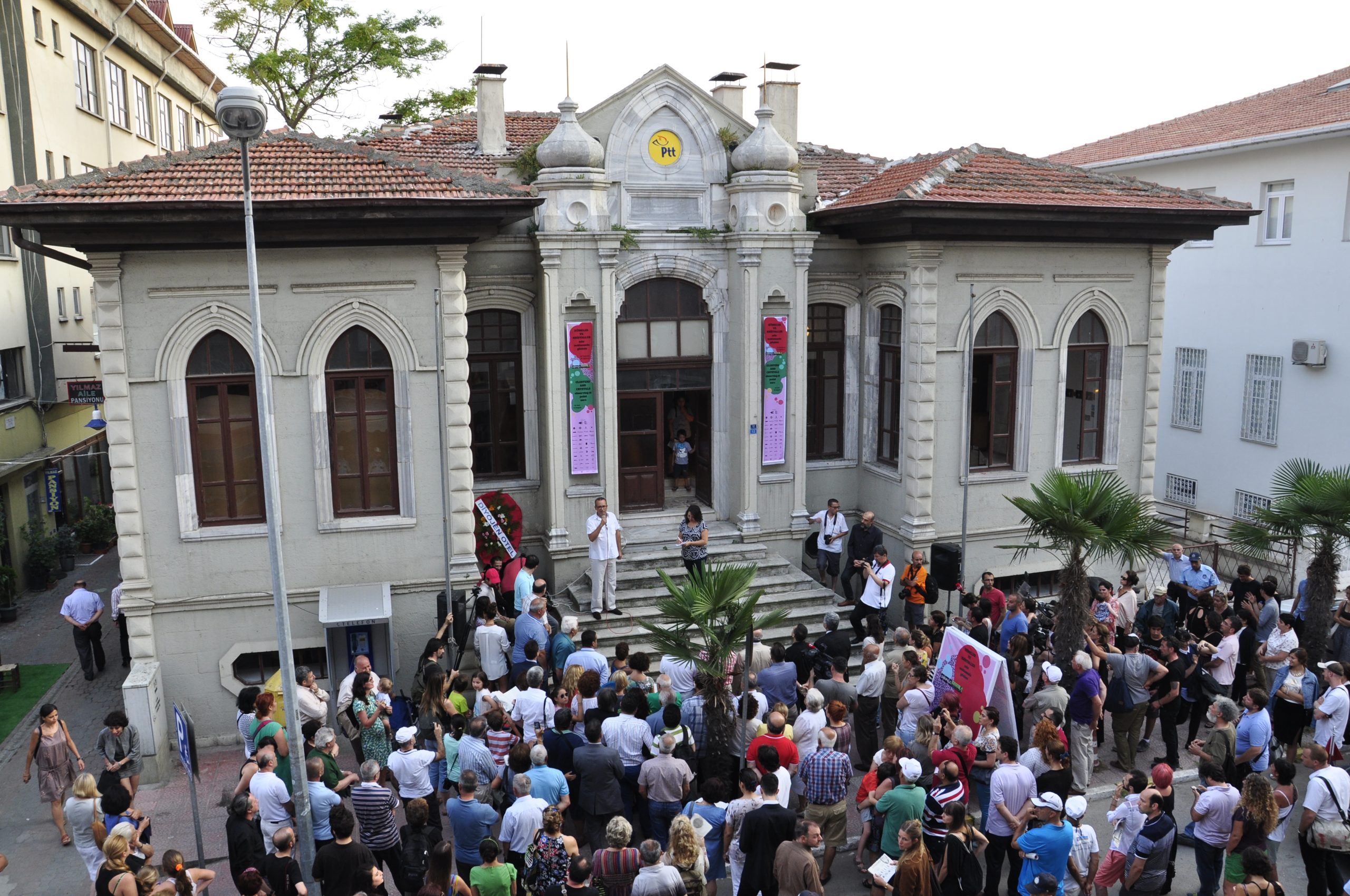
This was so encouraging that in the next edition I made a walking performance, following a route created by another artist, Serkan Taycan, as part of his Tarzan Kemal Trail. The trail drifts through all the places Tarzan Kemal once walked; it turns the city into a place for experiences outside the daily routine, brings together the history of the city and its people, and, through a kind of psychogeographic map, invites people to experience Sinop through Tarzan Kemal’s world. My performance video was exhibited that year in the same room as Taycan’s large trail map.
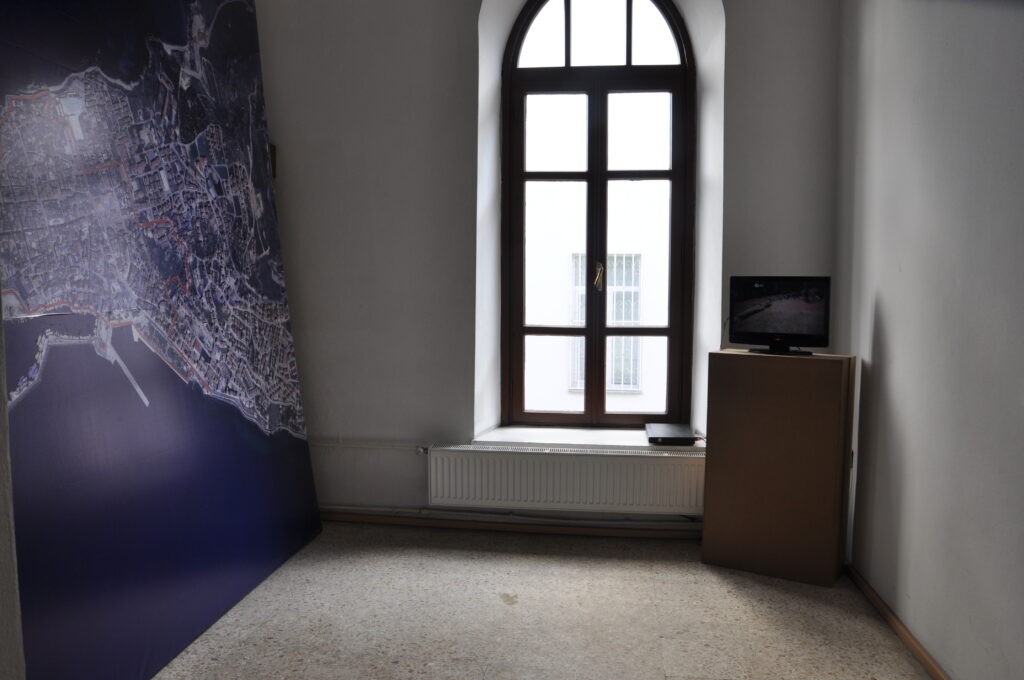
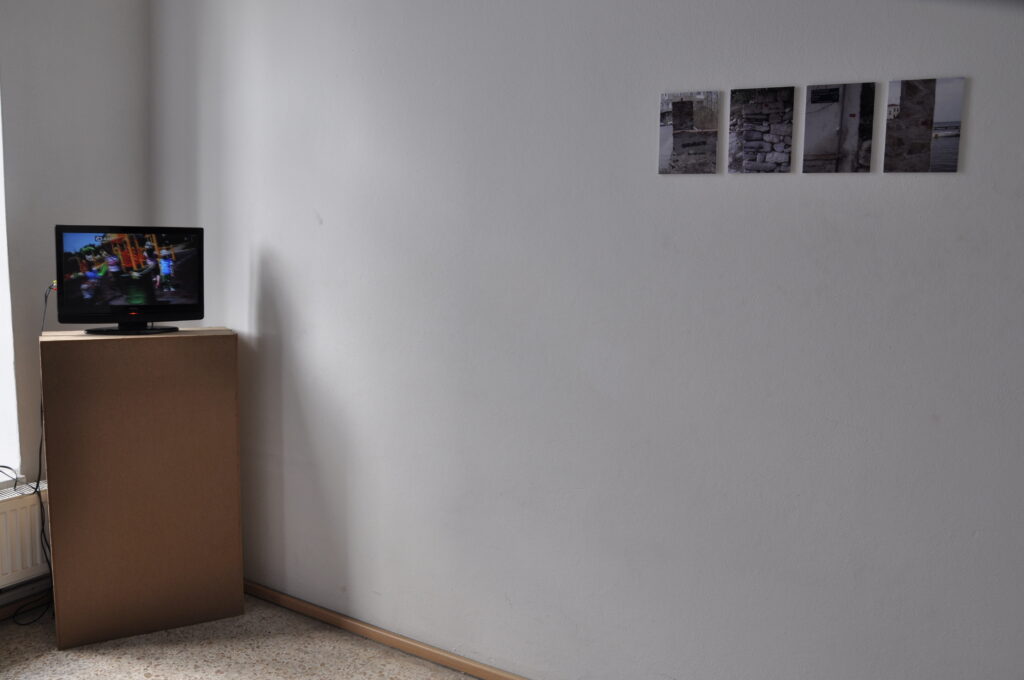

Looking back, this exchange worked beautifully: a young man looking for something meaningful to do, a biennial that taught him and opened a space for him, and him using that space to give something back to the city. That cycle: the city giving us life, and us giving it meaning, was one of the most inspiring times of my life.
Becoming an organiser, Oral History and Documentary Film Workshop (2015)
I asked the Sinopale founders to give me more administrative work, so I could get more involved and learn how to actually make a difference in art and culture. I wasn’t only helping run the event anymore; I joined the office team, attending meetings and helping with preparations that started six to eight months ahead. Slowly, this led me to start designing events myself.
The first event I ever designed and organised was the Sinopale Oral History and Documentary Film Workshop, in partnership with Goethe-Institut Istanbul, which I coordinated with Çiğdem İkiışık. It took place at the Hal Sinop Meeting Point in 2015, where local photographers, documentary enthusiasts and students from Sinop worked with the filmmakers Ayşe Polat and Ayat Najafi.
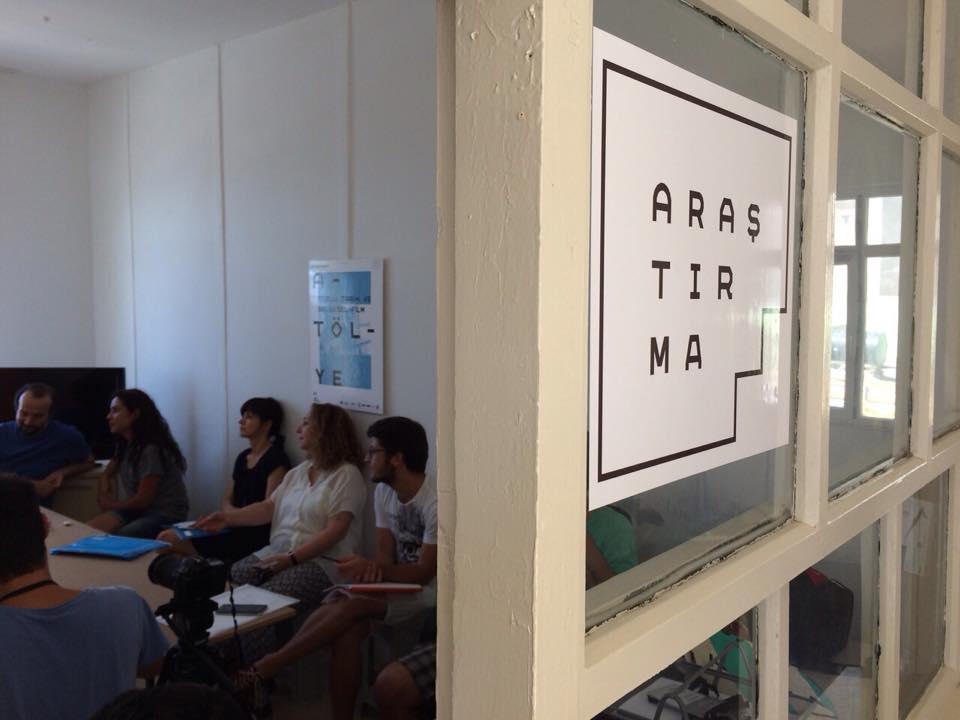
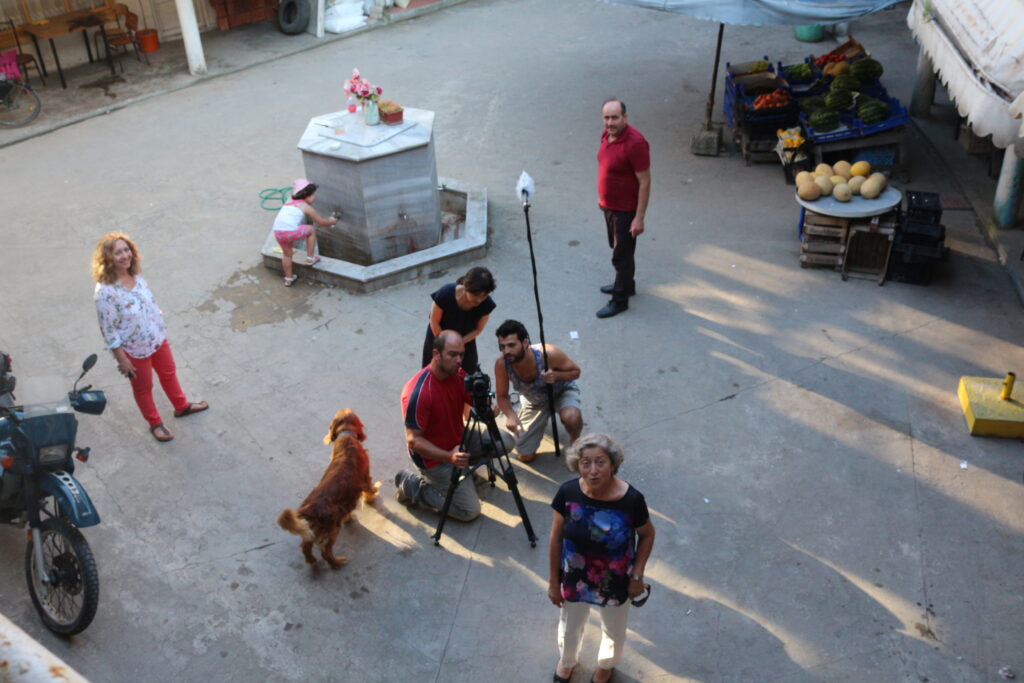
Around the same time, I started making my first documentary, Tarzan Kemal: Story of a Citizen (2016). Even though it isn’t one of the films I’m cinematically most proud of, it has a special importance for me as my first film and it earned its place in the city’s archive, and it was shown in twenty cities across Turkey as part of the Sustainable Life Film Festival.
Sinopale film festival (2016-2018)
Then the Sinopale team offered me a paid job, as one of the coordinators of Creatisity: Social Entrepreneurship and Creativity for Sustainable Urban Development, a large-scale, EU-funded project. The aim was to turn HAL — Sinop’s old covered market — into a centre for social entrepreneurship and creativity: a place that could support solidarity-based work and help local and cultural products contribute to the sustainable development of the city. Coordinating a project on that scale, with its budget, partners and reporting, gave me experience I still draw on.
During this project I also took part in the workshops and developed a project of my own: a film festival. I ran it for three years, with screenings, director talks and workshops.
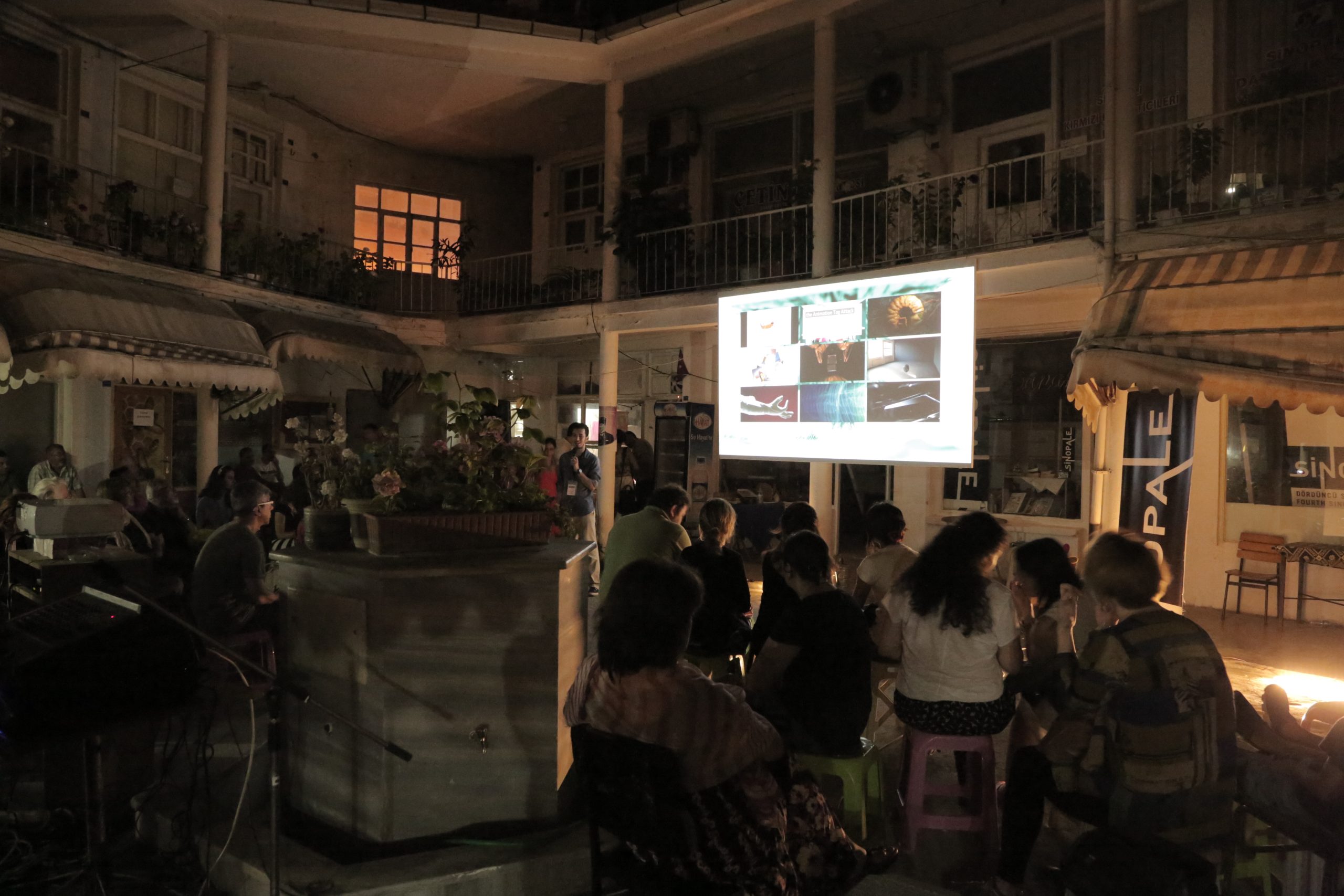
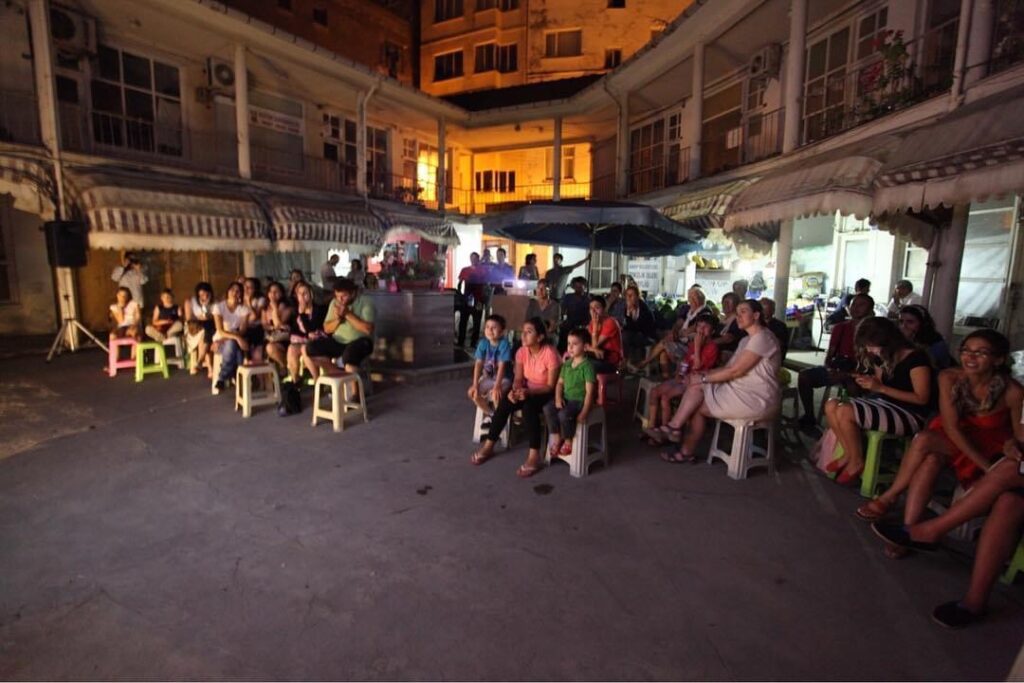
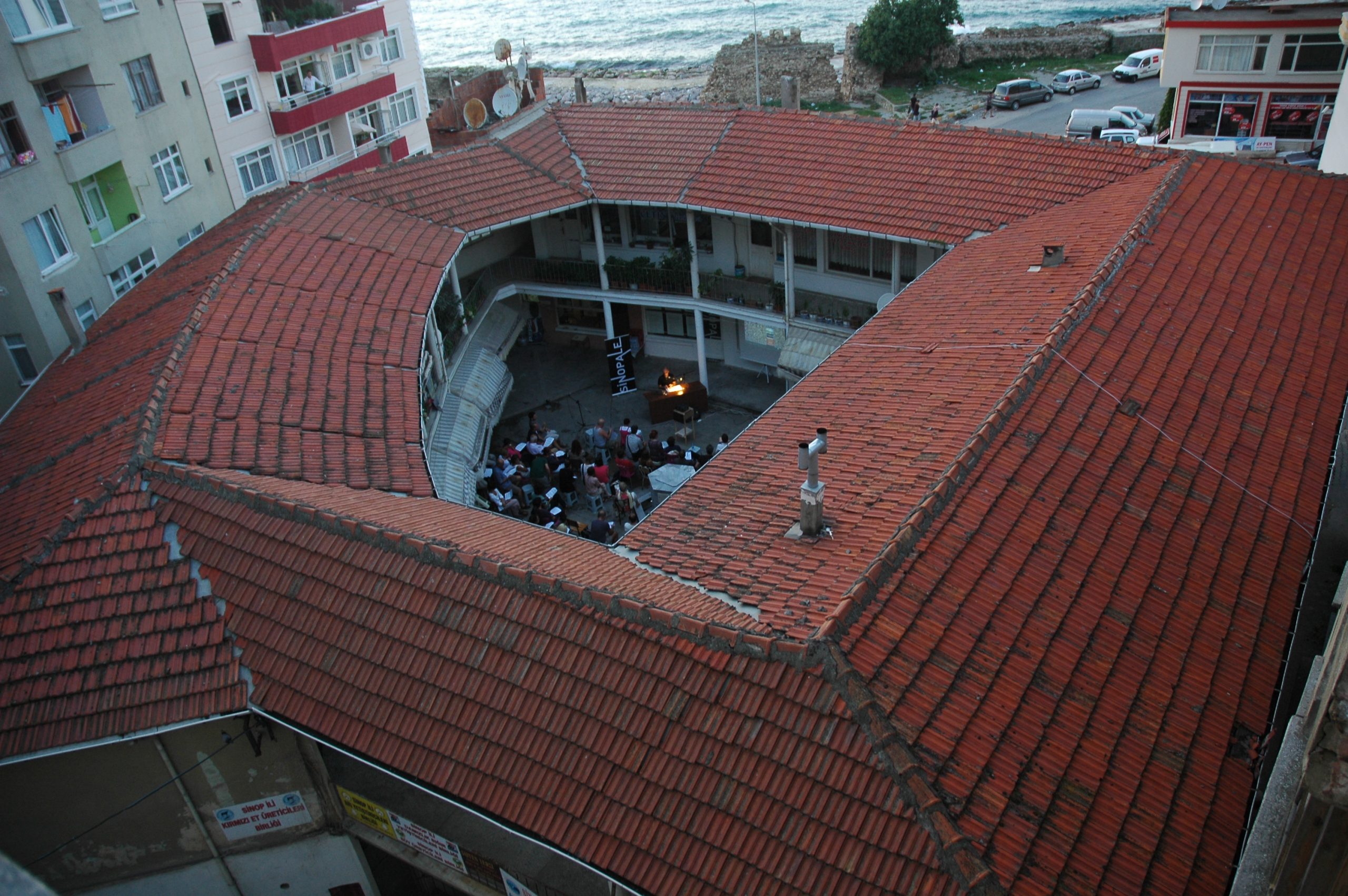
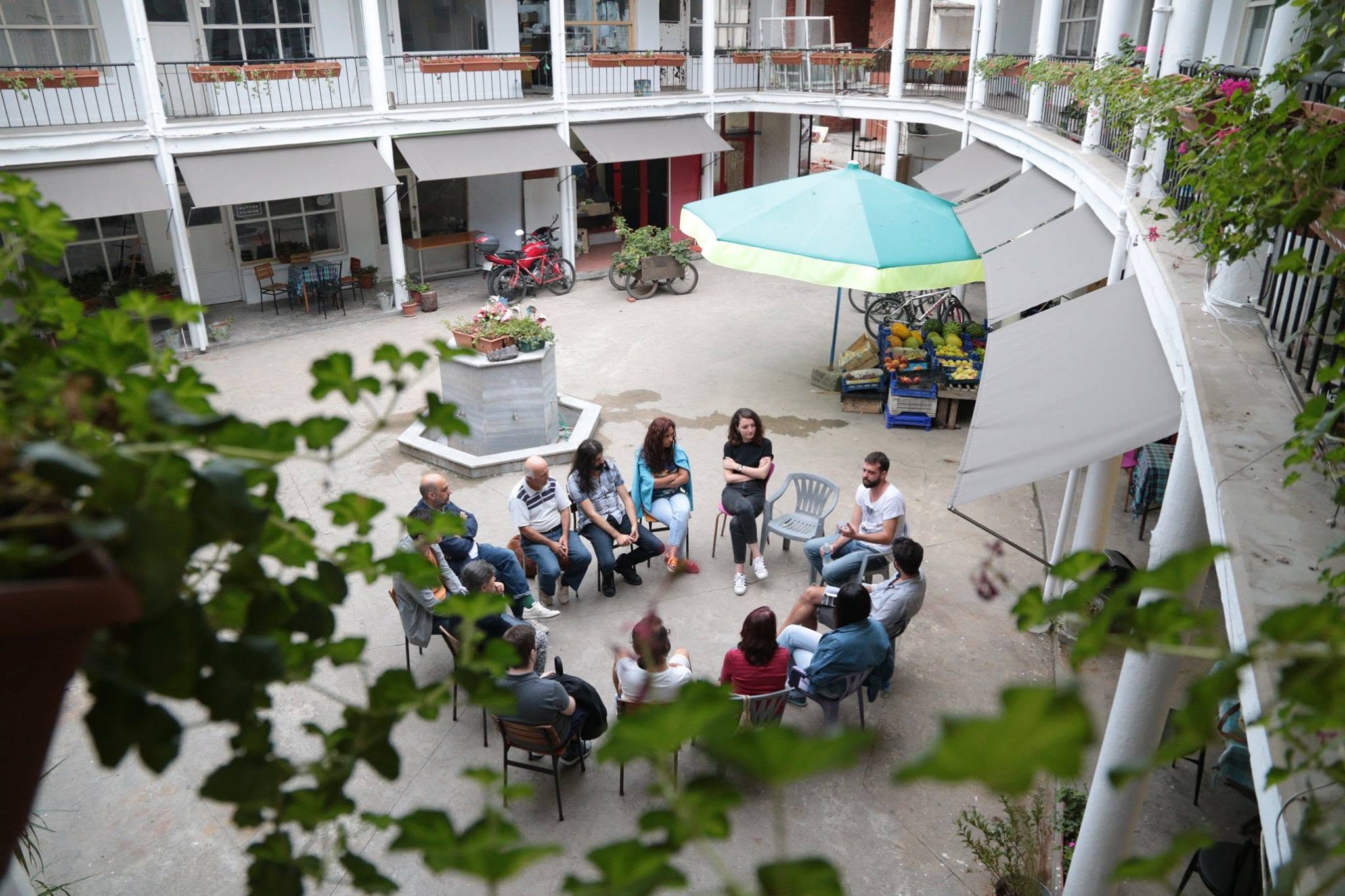
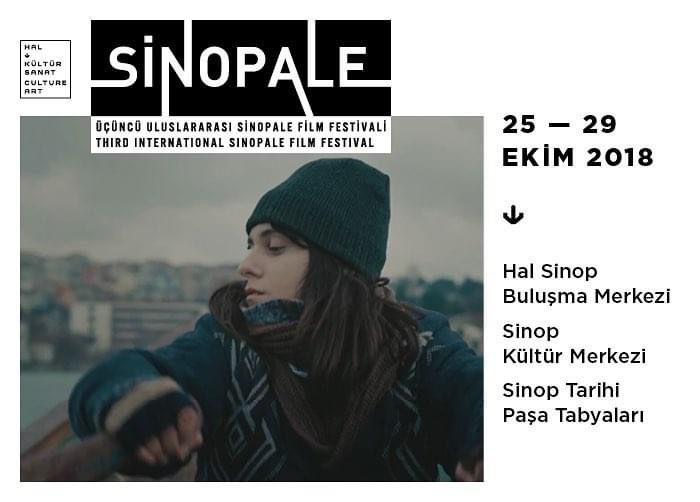
While we were preparing the fourth edition, the Covid lockdowns forced us to stop, and afterwards I decided to move to the U.K. But I couldn’t be prouder of this festival. We brought a film culture to a city with no permanent cinema. Running it taught me how to programme films, build partnerships, raise and manage a budget, lead a volunteer team, and bring artists and local audiences into the same room. The Sinopale Film Festival grew directly out of the Creatisity project and was made by the same biennial team. It gave special weight to local and national directors and to independent films, with the aim of encouraging young people in Sinop to make their own work.
Sinopale 8 and the archive (2021-2022)
My most recent involvement was Sinopale 8, an online edition that took place during the Covid lockdown. With everything closed and slowed down, we found ourselves rethinking our relationship to resources — and to production itself. It felt wrong to keep making new work at the same relentless pace, even when that work is art, while the things we already had sat forgotten in the archive. So that year we focused on collecting and preserving it, and I was one of the writers of the conceptual framework. The idea we worked with was “upcycling,” taken in an abstract sense: instead of always producing something new, returning to what already exists — the works artists had made over the years with the people of Sinop — and asking what they could still tell us about how to live and make differently now.
This way of working stayed with me, and I still carry it into my own practice. The promo videos I make for TINAS (This Is Not A Screening), the open projection night I run in London, are upcycling itself: short pieces built from leftover footage from my earlier film projects — material that was shot, set aside, and never used — given a second life rather than something newly produced. What started as a conceptual framework for a biennial became a real method I work with.
What Sinopale taught me
From being a volunteer and assisting artists, to documenting events through photography and videography, and from there to designing events and writing conceptual frameworks, Sinopale taught me the importance of community, of looking at familiar things with different eyes, of turning what you learn into something creative, and of making spaces where people come together, learn from each other, create together, and enjoy life together. Across those years, Sinopale was where I learned my way of working: documenting, designing and producing events, coordinating projects and partnerships, writing in a curatorial voice, and building culture with a community rather than for it. I believe these lessons still guide me today: in starting and keeping alive the open projection night I run in London, where I try to create the same kind of spirit, and in my filmmaking, where I try to make work with people and communities rather than about them, and to find a creative connection between people and other living beings, places and things.