

Anima is a mid-length documentary about how different cultures and beliefs shape the relationship between humans and animals. To explore this, I travelled across several regions of Turkey and filmed a range of events and the rituals tied to ideas of sacredness and sacrifice. Set against my own memories and dreams, the film shows what happens rather than explaining it, and leaves the meaning for the viewer to reach.
Between activism and art-house cinema
I became vegan in 2016, but the question behind Anima had been with me since childhood. Growing up, I watched my family sacrifice animals during the Eid al-Adha. Looking into the eyes of an animal and then watching it die in front of me made me think about life and death very early. I kept eating meat for years, but I could never eat meat that still had the shape of the animal: a steak, or meat on the bone. I ate mince, meatballs, burgers, cheese, but not the things that reminded me the animal had been alive.
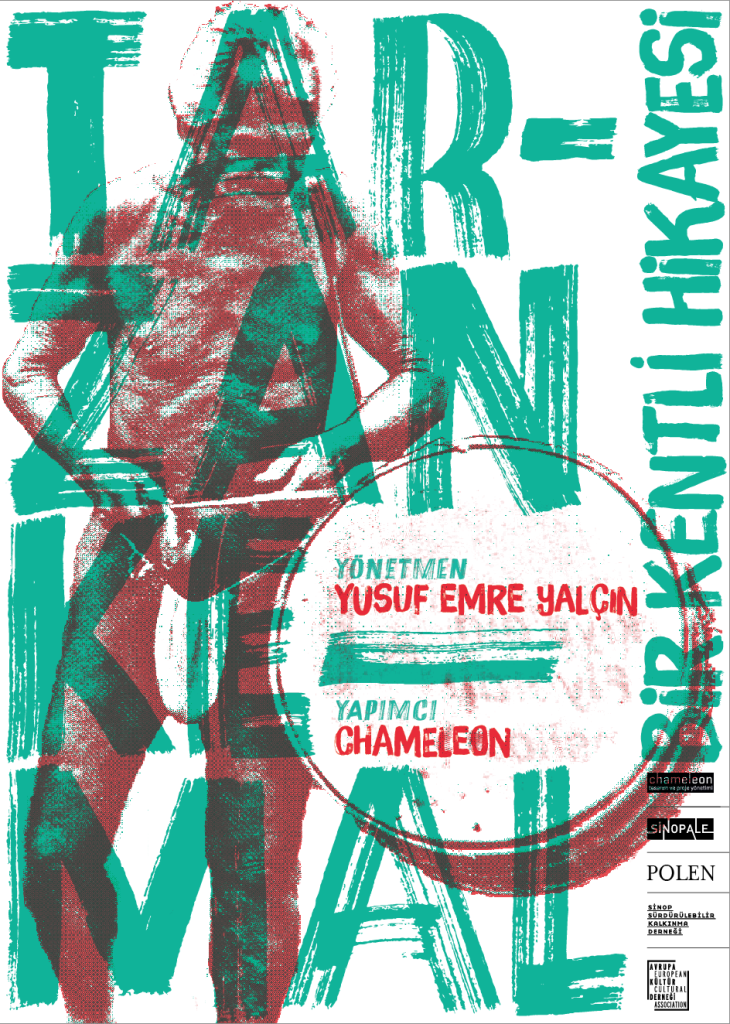
That contradiction was sharpest in the year before I went vegan. It was the period when I ate the most meat in my life, even steaks. I was working out and teaching myself to eat meat because I thought that was what my body needed. At the same time, I was making my first film, about Tarzan Kemal, a well-known figure from my hometown Sinop who stood against killing animals. I admired his work for animals and the environment, yet I was still eating meat after a day of filming.
I started to question this seriously when I met my then-partner, Ezgi. She was already vegan, and her position was calm and consistent. Until then I had thought veganism was something only for radical people. She was the first person close to me who didn’t eat meat, and meeting her changed how I saw it. Soon after, I became vegan too.
Finding the form
Right after going vegan, I found myself in pointless arguments with people who had never cared what I ate or how I looked after my health before. So I started reading about health, sport, ethics and animal rights, and I decided to make a film about it. Making films is how I deal with what is happening in my life; I only understood that clearly years later. I reached out to vegans and activists and told them I wanted to follow their stories. I was lucky to meet some of the most inspiring people in the field and to learn from them.
I shot a few samples, but I wasn’t happy with the footage. They worked as activism, but I wanted more. I wanted a film at the meeting point of activism and art-house cinema. There were already many activist films, and I had noticed that people get defensive when they feel they are being lectured. So instead of telling people what to think, I wanted to show what happens and leave the interpretation to them. That made art-house the right choice for me.
I asked an experienced filmmaker friend, Gürcan, who would later become the project’s artistic consultant, what he thought, and he said the same thing: if I wanted a straightforward green documentary this was fine, but if I wanted something more artistic I had to find another way in. Then I told him what really excited me. There had been a demonstration in Kadıköy about sacred animals: a group from Dersim protesting for animals they consider sacred, carrying a poster of a wild goat. That image stayed with me.
Gürcan’s reaction was immediate:
“This is it, Emre! Follow this story, go to Dersim.”
Research and the first money
I bought a book to understand the belief system there: Yol/Rê: Dersim İnanç Sembolizmi (Dersim Belief Symbolism) by Dilşa Deniz, and started researching while looking for money to travel.
Through the short film directors’ association I was a member of, I met one of my producers, Cemre, who helped me get a small grant from the European Union’s Sivil Düşün programme, which supports activists and civil-society work. With that money, and with help from Ezgi and her friends, I was able to film in three regions with very different cultures and traditions: Konya, İzmir and Dersim.
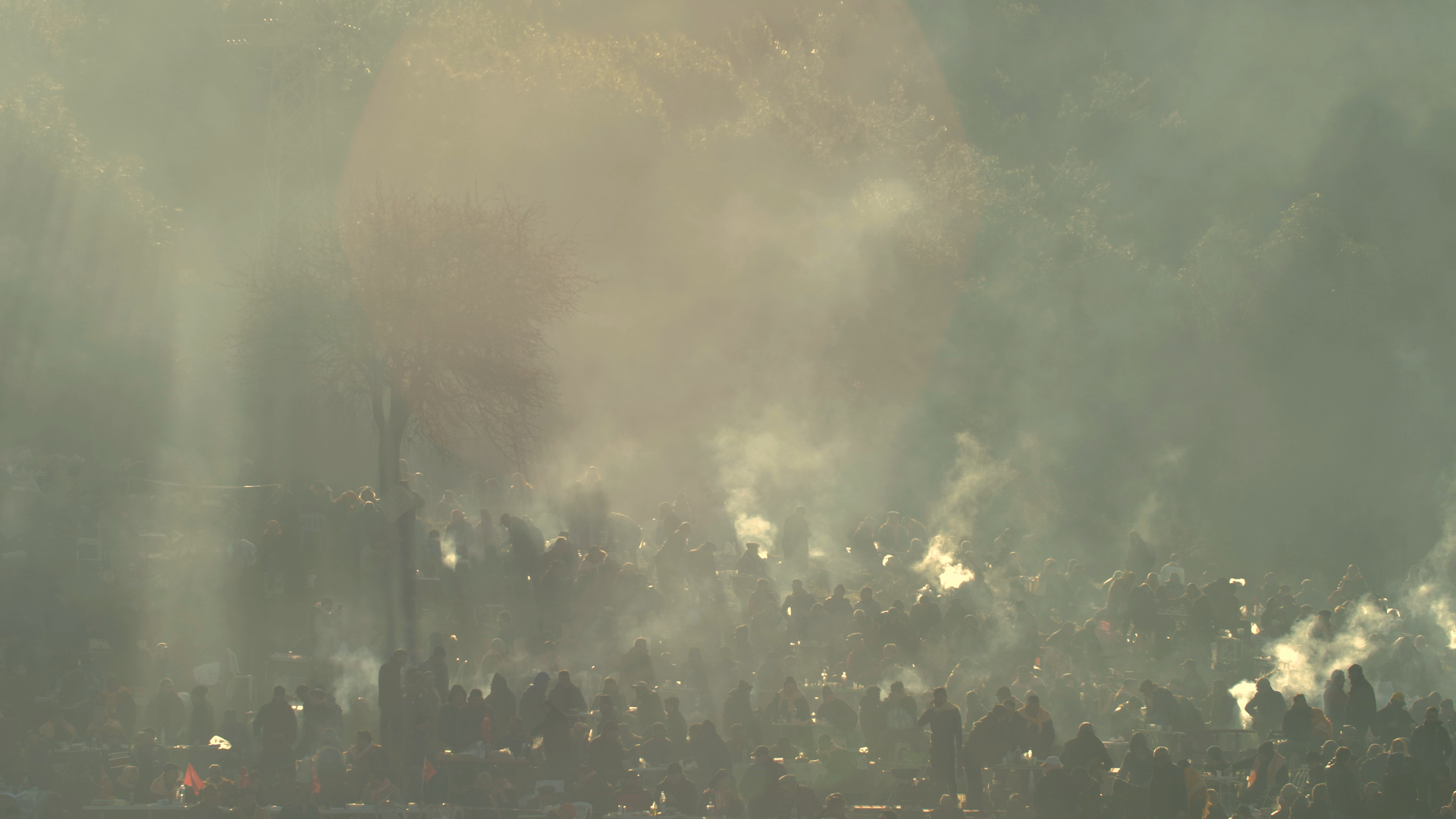
What I was really filming was the connection between the oppressive patriarchal system and the abuse of animals, and I looked for moments that showed this subtly rather than directly. The film was becoming what I wanted: minimal, subtle, and I think more powerful for it. I had a rough cut and was almost ready for post-production. Then I hit a wall. After the small EU grant there was no more money, and Cemre had become busy with other parts of her life and could not continue. I asked Ezgi, who was already helping to produce and had a real feeling for art-house cinema, if she would produce the film. She said yes, and we decided to run a crowdfunding campaign for the post-production budget.

Running the campaign
The campaign on Fongogo became a project in itself, and I ran it almost like an office job.
Before launching, I made sure the film already had its own social media, with a small group of friends following from day one. Even a few hundred followers makes a project look real and trustworthy, so I set that up first. Then I posted every day, at least once. Quotes from the books I was reading worked especially well; people reshare theoretical or literary texts much more than plain appeals. Because it is a visual project, I gave the images real attention: a trailer, one-minute samples, photos and short bios of the team. Trust is built through visibility, and a warm, sincere tone matters as much as the content.
I asked friends, family and early supporters to donate right at the start, so that anyone visiting the page would already see support there and feel encouraged to join. Then I worked on people with a public profile. My method was simple: instead of asking for a plain repost, I asked each person to write one sentence on why Anima should be supported. For example, I knew the vegan doctor and influencer Suat Erus supported the project, so I went to him first, took his sentence, his photo and a short bio, and shared it everywhere, tagging him. He reshared it, and I did the same with every known vegan I could reach: journalists, activists, and others. When people see a project recommended by several people they already trust, they want to be part of it.


Two things I learned:
- A plain repost carries almost no weight. It has to be personalised by the reposter.
- The right target group, even a smaller one, is more effective than large numbers. I once had a friend with more than 400K followers repost my project with no real result — not even one new follower — while a repost from a friend with 10K followers with right target group brought me far more interaction.
After a while, those same people started inviting me onto their own channels and radio programmes, because they had become part of the film and wanted their support to count, and it gave them engagement too. I did live broadcasts with the Turkey Vegan Association, Zulal Kalkandelen and with Suat Erus, and vegan activists Melike Dirikoc & Isil Karaelmas invited me onto their programme Turlerin Yasam Hakki on Açık Radyo. One supporter who had given 250 TL gave another 2,500 TL after hearing that radio programme: being on a platform people already trusted, and being able to explain the project in detail, made all the difference. People want to know exactly who and what they are supporting, especially in a time full of scandals and exposés, when nobody wants to back the wrong thing. Then T24 ran an interview, a vegan writer covered the film in Milliyet without my even knowing, a thread appeared on Eksi Sozluk, and it kept growing.
I kept the Fongogo page updated with every interview, every new video and every development, so a visitor could find everything in one place and understand who I was and what the film was. I also chased collaborations: one vegan textile brand donated all its sales from a whole weekend to the campaign, so people who didn’t want to give money for nothing could support the film by buying a t-shirt or a bag.


The hardest part was not giving up. Around the middle of the campaign I became quite hopeless; the engagement and the donations had dropped a lot. But I sat down every day for a few hours and worked at it: what to post, who to involve, how to bring in new attention, and eventually it came back to life and gained real momentum. There were moments when I felt like a person who begs for money, and it was tiring, but I kept explaining the project to everyone, again and again, until we reached our target.
The film, and after
We reached the budget and finished the film. Then came the submissions, and the waiting, maybe the most painful part. There were rejections, and more rejections. And then the Istanbul Film Festival selected Anima for its National Documentary Competition, and we won the Best Documentary award there. If I’m honest, Istanbul was one of my career goals in the Turkish cinema scene.
The jury — Serdar Kökçeoğlu, Martina Priessner and Hasan Söylemez — gave Anima the award
“for examining the relationship between humans and animals across different cultural worlds in a creative cinematic language, while opening a space for reflection and discussion on the questions it raised.”
After Istanbul, MUBI Turkey streamed Anima for two years. During that time the film found its way into master’s and PhD theses, film magazines, interviews and university lectures, and was written about in places like Altyazı, BantMag, Cogito and Film Hafızası. People began reaching out to tell me that Anima had made them consider veganism, and I couldn’t be prouder of that. The film is still screened today, at festivals and at NGO and association events.
Anima taught me the way of working I still trust: stay close to something I genuinely care about, film it patiently, be stubborn about finding its right form, and let the audience reach their own conclusions rather than lecturing them. It also showed me that the work around a film: building a community, bringing people in, earning their trust, having an impact on their lives can matter as much as the film itself. That is the same thread that runs through everything I make.